

Now Reading: After the Wari, a Noble Initiative by ‘Earth’ and ‘Pinchi’: Cleanliness Drive at Bhakti-Shakti Chowk
-
01
After the Wari, a Noble Initiative by ‘Earth’ and ‘Pinchi’: Cleanliness Drive at Bhakti-Shakti Chowk
After the Wari, a Noble Initiative by ‘Earth’ and ‘Pinchi’: Cleanliness Drive at Bhakti-Shakti Chowk


Pune | June 19, 2025 — As the vibrant and devotional atmosphere of Sant Tukaram Maharaj’s Palakhi procession filled the streets of Pimpri-Chinchwad, two remarkable organizations—‘Earth’ and ‘Pinchi’—stepped forward with a mission that goes beyond celebration. In a collaborative effort with the Pimpri-Chinchwad Municipal Corporation (PCMC), they have taken up the responsibility of cleaning Bhakti-Shakti Chowk after the Wari, ensuring that devotion is matched with civic responsibility.
Devotion Leaves Behind a Messy Reality
On June 18, the revered Sant Tukaram Maharaj Palakhi began its spiritual journey from Dehu, reaching Bhakti-Shakti Chowk on June 19. Every year, lakhs of Warkaris participate in this sacred pilgrimage, chanting the name of Vitthal and walking together in a show of unity and faith. However, while the Wari is a symbol of devotion, what remains afterward is often a mountain of trash—plastic bottles, food packets, leftovers, and general waste.
Despite the commendable efforts of citizens, NGOs, and hotels to serve food and water to Warkaris, cleanliness often takes a backseat. Once the Wari moves ahead, the leftover garbage not only mars the beauty of the city but also poses serious sanitation and environmental concerns.
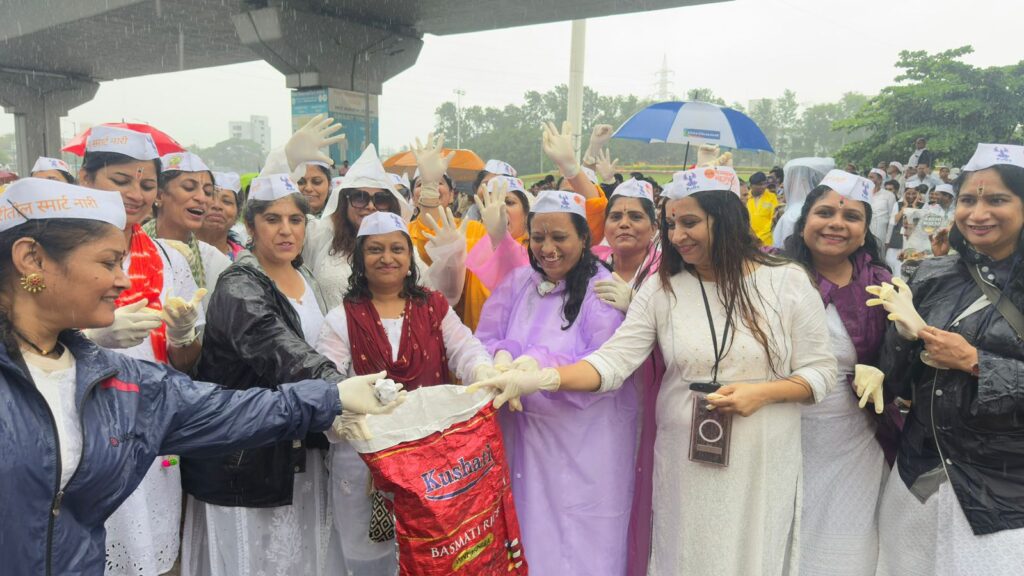
A United Effort for Cleanliness
Recognizing the urgent need to maintain hygiene even after the festivities, two UN-recognized NGOs—‘Earth’ and ‘Pinchi’—have launched a post-Wari cleanliness initiative. With the full support of PCMC, over 150 women volunteers from both organizations have come together to take charge of cleaning the Bhakti-Shakti Chowk area.
Their aim is simple yet powerful: to convert spiritual devotion into meaningful civic action. This initiative is not only about picking up garbage but also about spreading awareness that cleanliness is a collective responsibility—before, during, and after any major public gathering.
Swachh Bharat, Local Action
Praveena Kalme, CEO of ‘Earth’, and Poonam Pardeshi, founder of ‘Pinchi’, are leading this movement with purpose and pride. “Managing the scale of waste generated after such massive gatherings is extremely challenging for local authorities alone,” said Kalme. “Inspired by Prime Minister Narendra Modi’s Swachh Bharat Abhiyan, we wanted to do our bit as responsible citizens and as devotees of Vitthal.”
Pardeshi added, “This isn’t just a cleanliness drive—it’s a reflection of our devotion. Through this initiative, we are expressing not just our love for God, but our commitment to protecting His creation—the environment.”
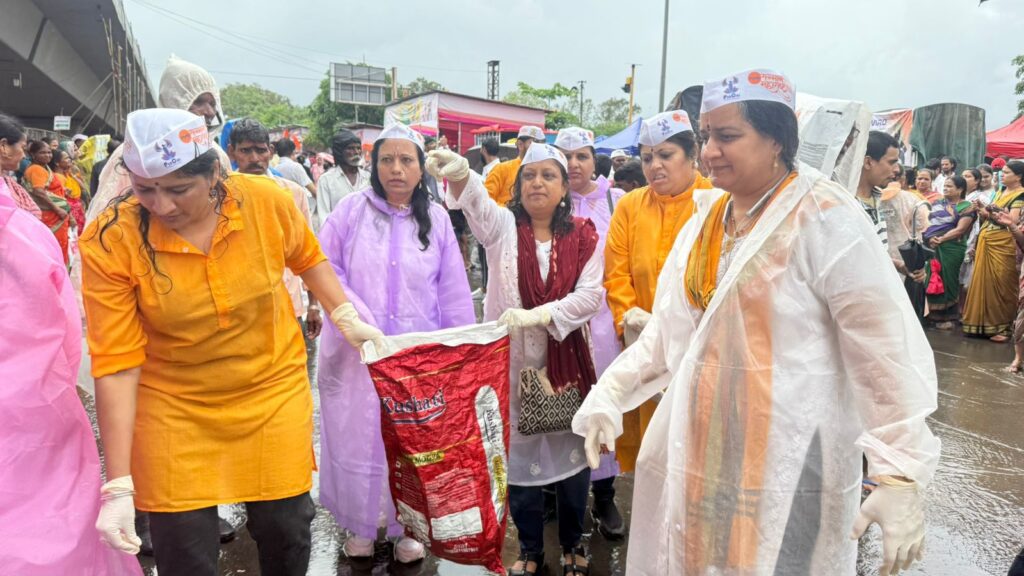
Cleanliness Is Next to Godliness
The inspiration for this initiative also draws from the teachings of Sant Gadge Maharaj, who preached that “Cleanliness is true religion, and filth is sin.” Following his footsteps, the volunteers of Earth and Pinchi are sending a powerful social message—spirituality and civic duty go hand in hand.
In an age where environmental sustainability is more critical than ever, this post-Wari cleanup sets an example for the entire nation. It showcases how faith-based events can also become platforms for instilling ecological values and community-driven action.
A Message for All Citizens
As the brooms sweep the streets clean, they also brush away a culture of negligence. The Earth and Pinchi volunteers aren’t just cleaning up waste; they are cleaning up mindsets—reminding citizens that true devotion must reflect in how we care for our surroundings.
The hope is that in years to come, more such collaborative initiatives will emerge across Maharashtra, turning every festival, procession, and public event into an opportunity for both celebration and environmental stewardship.
Related Posts


Stay Informed With the Latest & Most Important News


Advertisement

-
 01Sleep Science Shows Why Quality Matters More Than Duration
 -
 02Western Maharashtra’s Kirtankars Winning Hearts Through ‘Kon Honar Maharashtra Cha Ladka Kirtankar’
 -
 03Pune Man Duped of ₹1.35 Lakh in Online Dating Scam: A Cautionary Tale for Digital Romance Seekers
 -
 04Mantra Closes ₹1020 Cr Year with New Luxury Brand ‘Burgundy’, Redefines Urban Living in Pune
 -
 05Pregnant Woman Dies After Pune Hospital Denies Admission Over ₹10 Lakh Fee, Govt Orders Probe
 -
 06Pune’s ₹300 Crore Investment Scam: Absconding Couple Traced to Thailand, Police Launch Extradition Efforts
 -
 07Pune RTO Sets New Benchmark: Earns Record ₹59.36 Crore From Fancy Number Auctions in FY 2024-25