

Now Reading: Terrace Garden in Katraj Blossoms from Kitchen Waste: A Green Model for Urban Pune
-
01
Terrace Garden in Katraj Blossoms from Kitchen Waste: A Green Model for Urban Pune
Terrace Garden in Katraj Blossoms from Kitchen Waste: A Green Model for Urban Pune

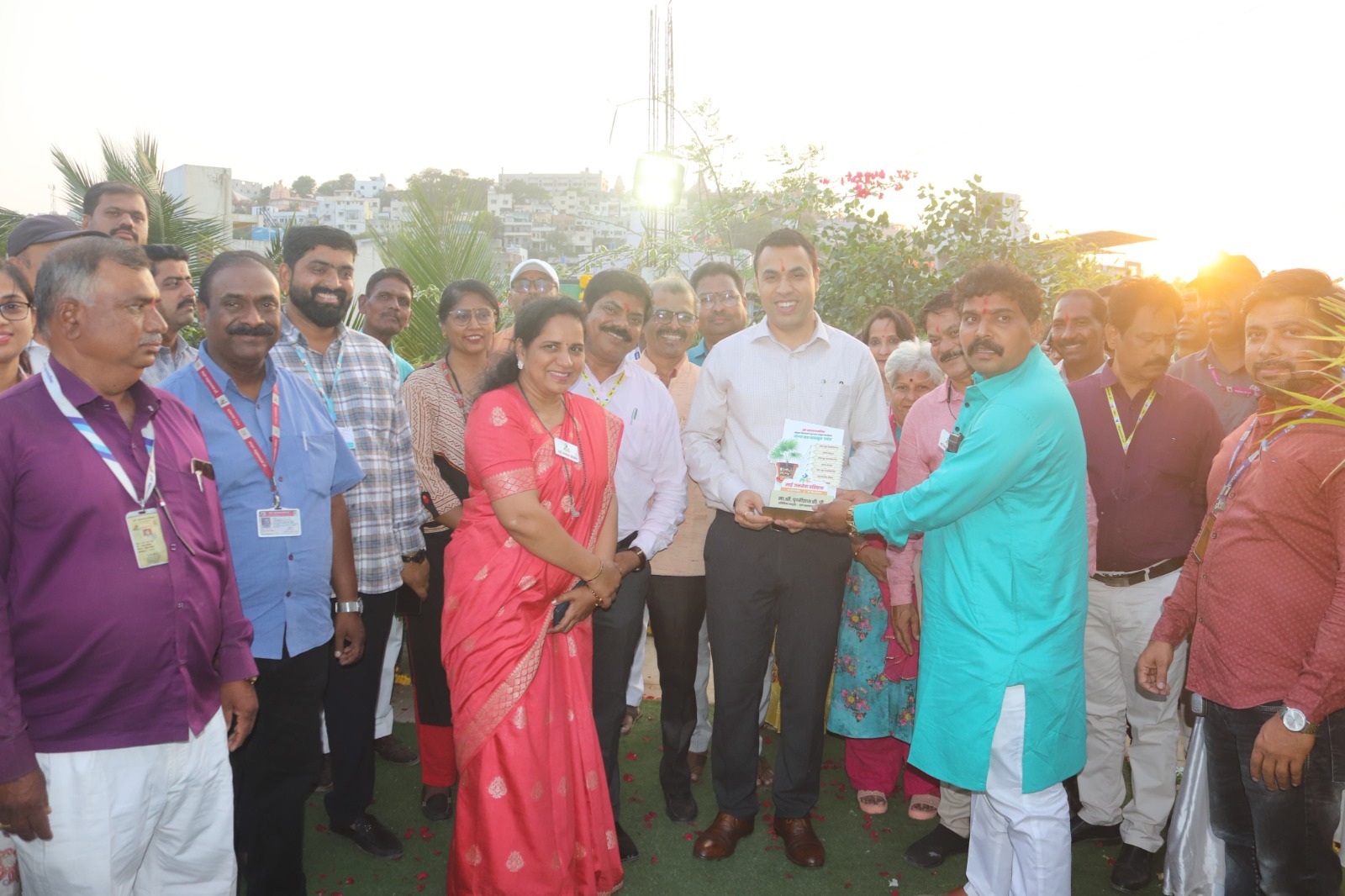
Sai Janseva Pratishthan and PMC Join Hands to Turn Waste into Green Wealth
Pune, May 2, 2025: In a shining example of sustainable urban living, an 800 sq. ft. green terrace garden has sprung to life in Pune’s Katraj area — not with expensive soil or fertilizers, but with something most households throw away: wet waste. Built atop the Kondhwa-Yeolewadi Ward Office of the Pune Municipal Corporation (PMC), this eco-friendly garden has been developed jointly by Sai Janseva Pratishthan and the Kondhwa-Yeolewadi Regional Office, showcasing a low-cost and high-impact model for waste management and greening urban spaces.
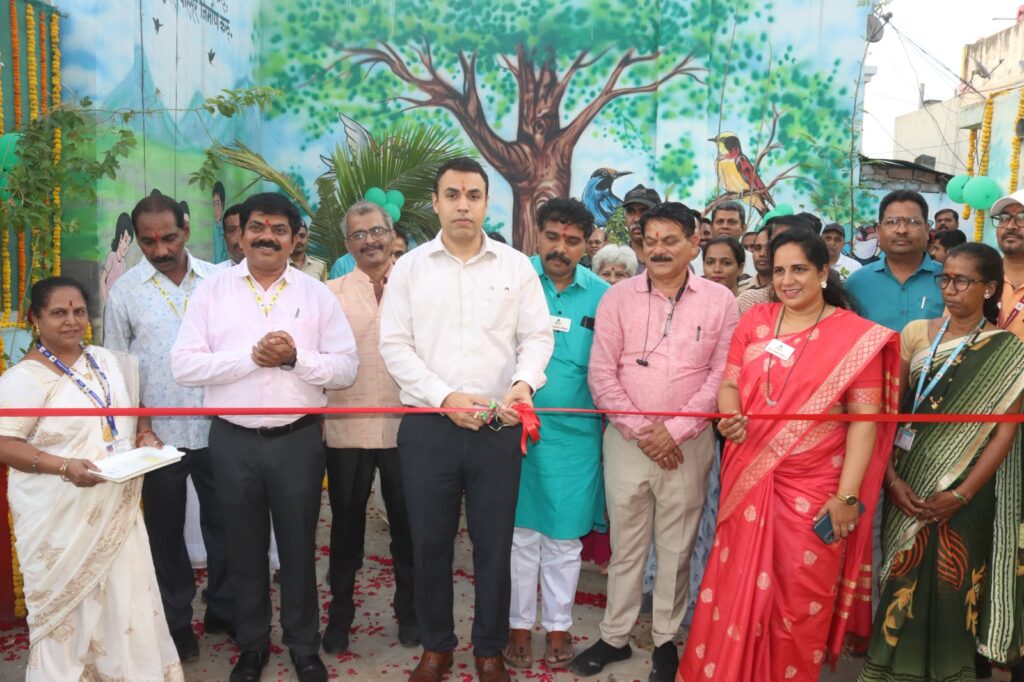
Turning Trash into Treasure: From Kitchen Scraps to Blossoms
What makes this garden unique is its foundation — composted wet waste, including kitchen scraps and vegetable leftovers, now nourishing a rich variety of fruit-bearing, flowering, and ornamental plants. From drumstick, bitter gourd, papaya, and orange trees to flowering beauties like hibiscus, champa, tagar, and periwinkle — the terrace is a thriving eco-zone. Decorative plants, sugarcane, bamboo, and 200-liter drums reused as planters line the terrace, proving that urban greenery doesn’t need fancy budgets — just creativity and commitment.
Discarded bricks, tires, and drums have been repurposed not only as planters but also as seating furniture, making the garden both functional and sustainable. This initiative is already garnering attention as a replicable model for waste-to-resource urban greening.
Inaugurated by PMC Leadership: A Green Step Forward
The terrace garden was officially inaugurated on Wednesday by Prithviraj B.P., Additional Commissioner of the PMC, in the presence of Deputy Commissioner Jayant Bhosekar, Assistant Commissioner Laxman Kadbane, Sai Janseva Pratishthan founder Suraj Lokhande, President Geeta Mohorkar, municipal staff, and enthusiastic citizens.
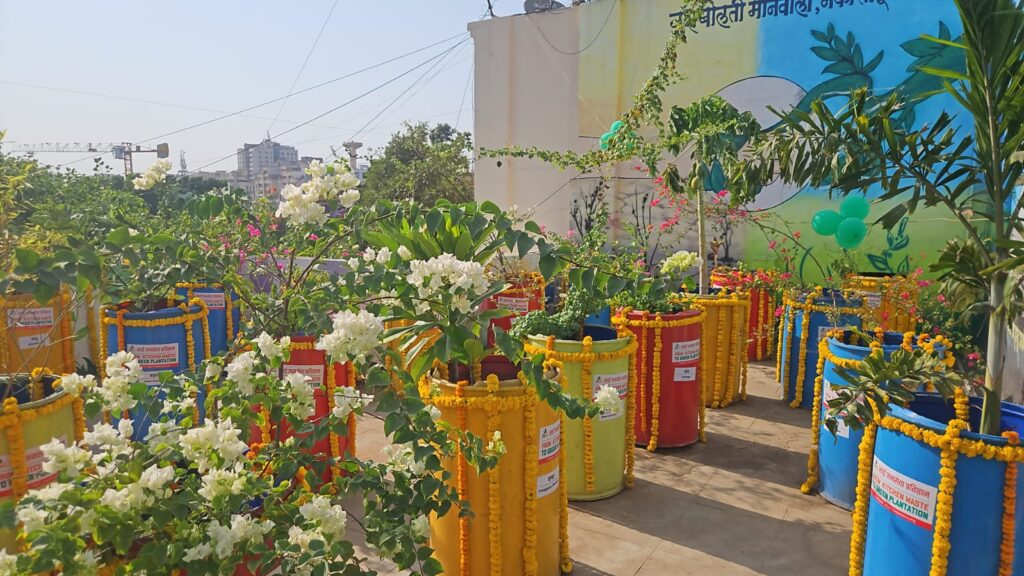
Speaking at the event, Prithviraj B.P. praised the initiative, saying,
“This is not just a garden — it is an oxygen generator, a recycling center, and a live demonstration of responsible urban living. Composting household wet waste on-site and growing fruits and vegetables from it is the future of urban waste management. This model can be easily implemented in homes, societies, and offices.”
He emphasized that citizen participation is crucial and called for segregation of dry and wet waste at the source. “PMC will fully support such efforts that help decentralize waste disposal and build a cleaner, greener Pune,” he added.
Daily 700 kg of Wet Waste Recycled into Greenery
Geeta Mohorkar, President of Sai Janseva Pratishthan, shared that this garden is one of several created with PMC’s support across the city — including at Sinhagad Road and Dhankawadi-Sahakarnagar ward offices.
“We are currently processing 600 to 700 kg of wet waste daily using 160 recycled drums. These drums not only act as planters but also reduce the cost and space needed for composting. We believe this is an efficient, affordable, and scalable waste management solution for cities like Pune.”
She added that such initiatives could be transformative if implemented in housing societies, schools, and government buildings, helping tackle the city’s growing waste crisis while encouraging food and oxygen generation at the hyperlocal level.
A Decade of Green Action by Sai Janseva Pratishthan
Suraj Lokhande, the driving force behind Sai Janseva Pratishthan, said the foundation has been active in Pune for over a decade, with a focus on education, environmental awareness, and youth empowerment. Waste management, he explained, is one of the core areas of intervention.
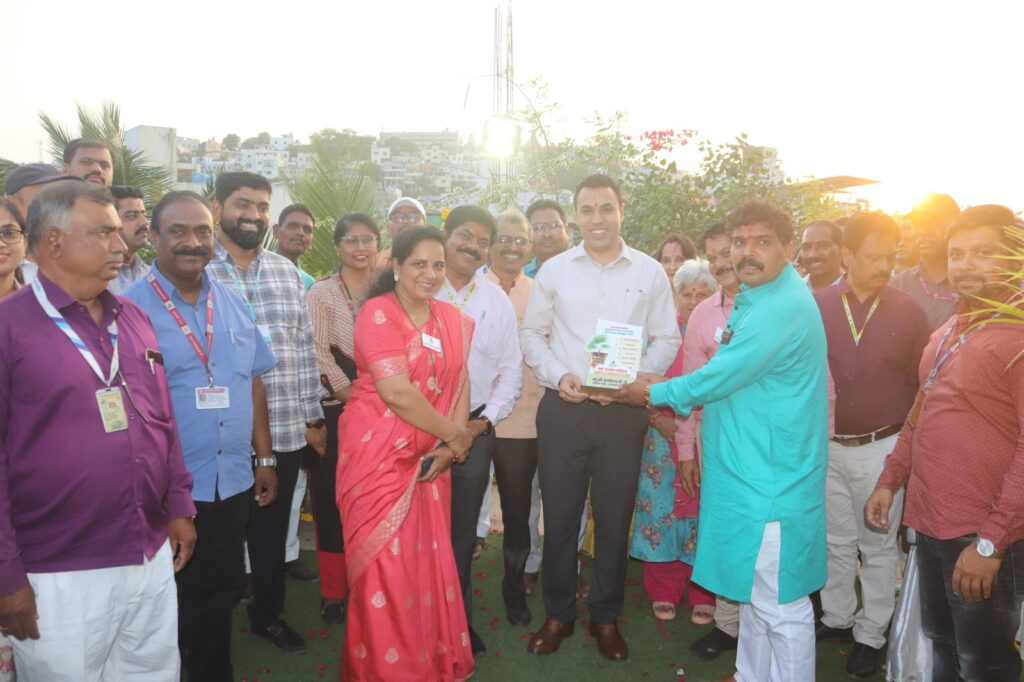
“Our goal is to make waste everyone’s responsibility and nature everyone’s friend. These gardens are more than just green spaces — they are classrooms, oxygen zones, and a call to action,” he said.
He urged citizens to adopt terrace gardening using compost in their own homes and pledged the organization’s support to guide housing societies and schools in setting up similar models.
A Model for the Future of Pune
As Pune expands, waste management remains one of the city’s most pressing challenges. But this initiative at Katraj shows that the solution doesn’t always require large budgets or mega infrastructure — sometimes, it just needs the will to reuse what we already have.
With the active support of PMC, environmental NGOs like Sai Janseva Pratishthan, and conscious citizens, such decentralized green solutions can play a critical role in shaping Pune’s future as a clean, green, and livable city.
Related Posts


Stay Informed With the Latest & Most Important News
Previous Post
Next Post



Advertisement

-
 01Sleep Science Shows Why Quality Matters More Than Duration
 -
 02Western Maharashtra’s Kirtankars Winning Hearts Through ‘Kon Honar Maharashtra Cha Ladka Kirtankar’
 -
 03Pune Man Duped of ₹1.35 Lakh in Online Dating Scam: A Cautionary Tale for Digital Romance Seekers
 -
 04Mantra Closes ₹1020 Cr Year with New Luxury Brand ‘Burgundy’, Redefines Urban Living in Pune
 -
 05Pregnant Woman Dies After Pune Hospital Denies Admission Over ₹10 Lakh Fee, Govt Orders Probe
 -
 06Pune’s ₹300 Crore Investment Scam: Absconding Couple Traced to Thailand, Police Launch Extradition Efforts
 -
 07Pune RTO Sets New Benchmark: Earns Record ₹59.36 Crore From Fancy Number Auctions in FY 2024-25